
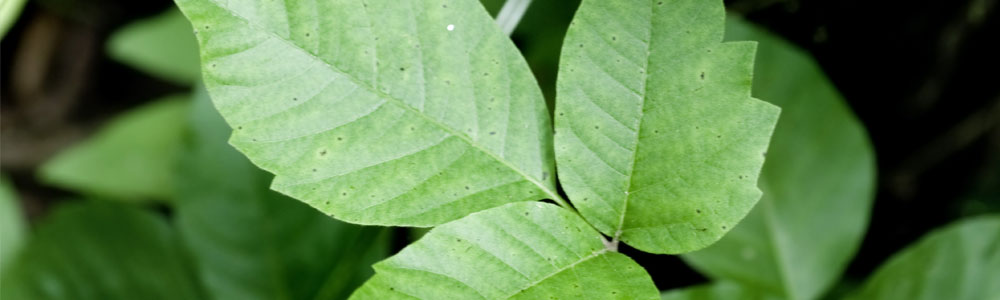
POISON IVY, OAK & SUMAC
A Rash of Information About Identification, Treatment & Prevention
What is it?
Poison ivy, oak and sumac belong to a family of plants that produce one of the most common allergic reactions in the United States. Experts estimate that up to 70 percent of the population is allergic to urushiol (you-roo-shee-ol), the oil found in the sap of these plants.
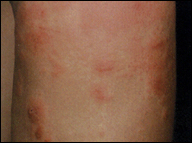
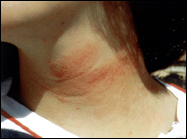
The reaction, known as “urushiol-induced allergic contact dermatitis, ” occurs when urushiol attaches itself to the skin after a person’s direct or indirect exposure to the oil. Symptoms like rashes, oozing blisters, itching and swelling are the body’s way of telling you that you are having an allergic reaction.
What does it look like?
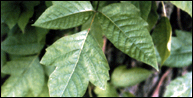 Poison Ivy, the most common of the three plants, is characterized by three or five serrated- edge, pointed leaflets. These leaves assume bright colors in the fall,
turning yellow then red.
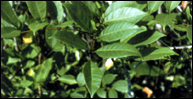
Poison Oak has three oak-like leaves and grows as a low shrub in the eastern U .S. and as both low and high shrubs in the western U.S., where it is most prevalent. Poison oak produces whitish flowers from August to November that dry but may remain on the plant for many months.
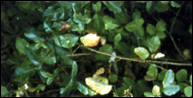 Poison Sumac has seven to 13 staggered leaflets with one on the tip of the plant. Mainly found in the eastern U.S., poison sumac grows in peat bogs and swamps as a shrub or a small tree. The large allergen-containing fruit is red and grows between the leaf and the branch.