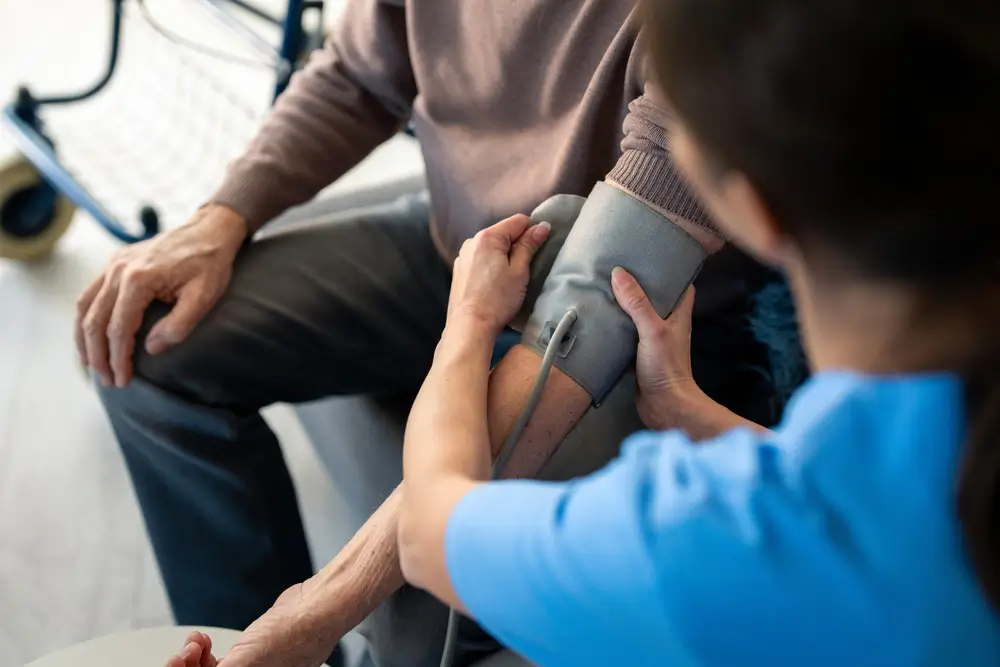
May is National High Blood Pressure Education Month, and the numbers tell an urgent story. Approximately 1 in 3 American adults has high blood pressure. A significant portion of them do not know it. High blood pressure, also called hypertension, is often referred to as the silent killer because it produces no obvious symptoms until the damage is already done.
The good news is that hypertension is one of the most manageable chronic conditions when it is caught early and monitored consistently. The challenge, for too many patients, is finding a healthcare model that actually supports that kind of ongoing, attentive care.
That is exactly what All Care Medical in Salem, NH was built to provide. Our Direct Primary Care membership is designed for patients who want a provider who knows them, monitors them regularly, and has the time to actually manage their health, not just react to it.
What Is High Blood Pressure?
Blood pressure is the force of blood pushing against the walls of your arteries as your heart pumps. It is recorded as two numbers: systolic pressure (the top number, measuring pressure during a heartbeat) and diastolic pressure (the bottom number, measuring pressure between beats).
A normal blood pressure reading is generally below 120/80 mmHg. Hypertension is typically diagnosed when readings consistently reach 130/80 mmHg or higher. There are two stages:
- Stage 1 Hypertension: 130 to 139 systolic or 80 to 89 diastolic
- Stage 2 Hypertension: 140 or higher systolic or 90 or higher diastolic
Elevated blood pressure that does not yet meet the hypertension threshold is still a warning sign worth taking seriously. It often progresses to full hypertension without lifestyle intervention.
Why High Blood Pressure Is So Dangerous
Hypertension forces the heart to work harder than it should, placing strain on arteries, the heart muscle, and other organs over time. Left unmanaged, it significantly raises the risk of:
- Heart attack and coronary artery disease
- Stroke
- Heart failure
- Kidney disease and kidney failure
- Vision loss
- Peripheral artery disease
- Cognitive decline and dementia
What makes this particularly concerning is the absence of warning symptoms. Most people with high blood pressure feel completely normal, which is why regular monitoring is the only reliable way to know where you stand.
Who Is at Risk for High Blood Pressure?
While hypertension can affect anyone, certain factors significantly increase risk. Understanding your personal risk profile is an important part of prevention.
Age
The risk of high blood pressure increases with age. Men are more likely to develop hypertension before age 55, while women’s risk increases significantly after menopause.
Family History
Hypertension runs in families. If a parent or sibling has high blood pressure, your own risk is elevated and early monitoring is especially important.
Weight
Being overweight or obese increases the workload on the heart and is one of the strongest modifiable risk factors for hypertension.
Physical Inactivity
A sedentary lifestyle contributes to weight gain and weakens cardiovascular health. Regular physical activity helps lower blood pressure naturally.
Diet
High sodium intake, low potassium consumption, and diets heavy in processed foods are closely linked to elevated blood pressure.
Chronic Stress
Ongoing stress keeps stress hormones elevated, which raises blood pressure and strains the cardiovascular system over time.
Tobacco and Alcohol
Smoking causes immediate and lasting increases in blood pressure, and heavy alcohol consumption raises blood pressure while also reducing the effectiveness of medication.
Existing Conditions
Conditions like diabetes, kidney disease, thyroid disorders, and sleep apnea are associated with higher rates of hypertension and can make it harder to control.
Lifestyle Changes That Lower Blood Pressure
For many patients, lifestyle changes alone can meaningfully reduce blood pressure, particularly in the early stages of hypertension. The most evidence-backed approaches include:
- Following a heart-healthy diet rich in fruits, vegetables, whole grains, and lean proteins while reducing sodium to less than 2,300 mg per day
- Getting at least 150 minutes of moderate aerobic exercise per week
- Reaching and maintaining a healthy weight
- Limiting alcohol to no more than one drink per day for women and two for men
- Quitting smoking
- Managing stress through regular relaxation practices, sleep, and social support
- Monitoring blood pressure at home with a validated cuff and tracking your readings
These changes work best when you have a provider who helps you set realistic goals, tracks your progress, and adjusts your care plan based on how you are responding. That kind of ongoing, personalized support is the foundation of what we do at All Care Medical.
When Medication Is Needed
Lifestyle changes are an essential part of hypertension management, but they are not always sufficient on their own. For patients with Stage 2 hypertension, or Stage 1 with additional cardiovascular risk factors, medication is often recommended alongside lifestyle modification.
Common medication classes for hypertension include ACE inhibitors, ARBs, calcium channel blockers, and diuretics. Finding the right medication or combination, at the right dose, often requires careful monitoring and adjustment over time. It is not a one-and-done prescription.
As part of your All Care Medical DPC membership, we offer access to a wide variety of generic medications at wholesale prices, which can make staying consistent with your treatment plan significantly more affordable.
How Direct Primary Care Transforms Hypertension Management
Managing high blood pressure effectively requires exactly the kind of care that is hardest to find in a traditional, insurance-driven practice: regular monitoring, longer appointments, consistent follow-through, and a provider who knows your full health picture.
In a typical primary care setting, a patient with hypertension might see their doctor twice a year for 10 to 15 minutes. Lab results are reviewed, medication may be adjusted, and the patient leaves with instructions they may or may not fully understand. That is not chronic disease management. That is reactive care.
At All Care Medical, our Direct Primary Care membership changes the equation entirely:
- Unlimited visits with no per-visit fees mean you can come in as often as needed
- Longer appointments give your provider time to review your readings, discuss your lifestyle, and make meaningful adjustments
- 24/7 phone access means you are never left wondering whether a reading is cause for concern
- Telehealth visits make check-ins easy without requiring you to take time off work
- Generic medications at wholesale prices keep your treatment plan affordable
- Personalized care plans are built around your specific risk factors and health goals
For patients managing hypertension alongside other conditions like diabetes, thyroid disease, or weight concerns, this integrated approach is especially valuable. We see the whole picture, not just one data point.
Know Your Numbers: When to Get Checked
The American Heart Association recommends that adults with normal blood pressure have it checked at least once every two years. Those with elevated readings or additional risk factors should be monitored more frequently.
If you have not had your blood pressure checked recently, or if you know your numbers are elevated but have not addressed it, now is the time. Early intervention makes hypertension far easier to manage and significantly reduces long-term risk.
All Care Medical is currently accepting new patients in Salem, NH and surrounding communities. Visit allcaremedical.org to learn about membership options or call us at (603) 893-7905 to schedule a free meet-and-greet with one of our providers.
Frequently Asked Questions About High Blood Pressure and Direct Primary Care
1. What blood pressure reading should I be concerned about?
A consistent reading of 130/80 mmHg or higher is considered Stage 1 hypertension and warrants attention. Readings of 140/90 or higher are Stage 2 hypertension and typically require both lifestyle changes and medication. A reading of 180/120 or above is a hypertensive crisis and requires immediate medical attention. If you are unsure whether your readings are cause for concern, your All Care Medical provider is available by phone as part of your DPC membership.
2. Can high blood pressure be managed without medication?
In some cases, particularly for patients with Stage 1 hypertension and no other significant risk factors, lifestyle changes alone can bring blood pressure into a healthy range. Diet, exercise, weight management, stress reduction, and limiting alcohol and tobacco use are all evidence-based interventions. However, medication is often necessary and should not be avoided if recommended. Your provider at All Care Medical will work with you to find the right approach for your specific situation.
3. How does a DPC membership help with chronic conditions like hypertension?
A Direct Primary Care membership at All Care Medical gives you unlimited access to your provider, longer appointments, and ongoing monitoring without additional visit fees. For chronic conditions like high blood pressure, this means more frequent check-ins, faster medication adjustments, and a provider who knows your full health history. Learn more about our chronic disease management services.
4. Does All Care Medical offer affordable medications for hypertension?
Yes. As part of your DPC membership, All Care Medical provides access to a wide variety of generic medications at our wholesale cost. Many common hypertension medications are available at significantly lower prices than retail pharmacy rates, helping you stay consistent with your treatment plan without financial strain.
5. Who is a good candidate for Direct Primary Care in Salem, NH?
DPC is an excellent fit for patients managing chronic conditions like hypertension, as well as those who want proactive, preventive care without the frustrations of traditional insurance-based medicine. It is also a strong option for uninsured or underinsured patients, self-employed individuals, seniors, and anyone who values a lasting relationship with a provider who has real time for them. Visit allcaremedical.org to learn more or call (603) 893-7905 to get started.
About All Care Medical
All Care Medical is a Direct Primary Care practice located at 22 Main St, Salem, NH. We proudly serve patients throughout Salem, Windham, Atkinson, and surrounding communities in Southern New Hampshire, as well as patients from Methuen and Haverhill, MA. To learn more or enroll, visit allcaremedical.org or call (603) 893-7905.